

Published – July 2026
Unexpected spindle failures almost always cost more than their repairs. Lost production, missed deadlines, scrapped parts, and emergency downtime can quickly become far more expensive than any routine spindle repair or maintenance would be. One of the most common, and preventable, causes of CNC spindle failure is coolant contamination.
Understanding how contamination occurs, and recognizing the early warning signs, can help shops extend their spindle life and reduce costly downtime.
A leaking through-spindle coolant (TSC) rotary union is one of the most common paths for contamination. When seals begin to wear, high-pressure coolant can bypass the rotary union and enter the spindle bearing cavity. Over time, this removes lubrication, accelerates bearing wear, and significantly shortens spindle life.
If clean, dry air is insufficient, or air pressure drops as the spindle cools, a vacuum can draw contaminants inside the spindle introducing issues..
Coolant aimed at the spindle nose, or compressed air used near seals during wash-down, can push fluid past the seal lips causing lubrication washout and other problems.
Over time, worn labyrinth or contact seals can allow fluid and chips to enter the spindle which can lead to premature bearing failure, overheating, and corrosion.
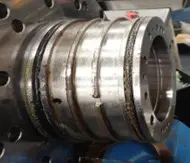

Any signs of cloudy or milky oil-air lubricant or hydraulic fluid usually indicate coolant contamination.
Look for rust, pitting, or discoloration in the spindle taper or on toolholders, since these are indications that seals might be compromised or coolant may contaminating the spindle
Grinding, rumbling, or other unusual sounds may point to bearing wear. Since higher vibration levels often appear long before catastrophic spindle failure, monitoring vibration trends allows maintenance teams to identify bearing problems early and schedule repairs before production is affected.
Maintain Air Purge Systems
The best way to prevent coolant contamination starts with a proactive spindle maintenance program. While no spindle lasts forever, routine inspections and preventive maintenance can significantly extend bearing life, reduce unexpected downtime, and lower the overall cost of spindle repair.
One of the most important preventive measures is maintaining a properly functioning air purge system. Positive-pressure air purge creates a barrier that helps prevent coolant, moisture, and fine debris from entering the spindle housing.
Monitor Rotary Unions
Equally important is routine inspection of the rotary union, particularly on machines equipped with through-spindle coolant (TSC). Rotary unions experience normal wear over time, and damaged seals or O-rings can allow high-pressure coolant to bypass the sealing surfaces and migrate directly into the bearing cavity.
Check Coolant Nozzles & Use Proper Cleanup Methods
Coolant application itself also deserves attention. High-pressure coolant should be directed toward the cutting zone, not the spindle nose or seal area.
Stay on Top of Routine and Preventative Maintenance
Modern predictive maintenance programs also play a critical role in preventing contamination-related failures. Regular spindle vibration analysis, temperature monitoring, and spindle performance testing can detect subtle changes in bearing condition months before they become noticeable to machine operators.
Finally, don’t overlook the value of periodic spindle evaluations, even if no obvious problems exist. A qualified spindle repair provider can inspect bearings, seals, lubrication systems, drawbars, and other critical components to identify wear before it leads to catastrophic failure.
Still have questions about preventing coolant contamination or protecting your spindle output? Our friendly technicians are here to help with everything from assessment and detailed diagnostics to preventive guidance, and more.
Contact us, today.